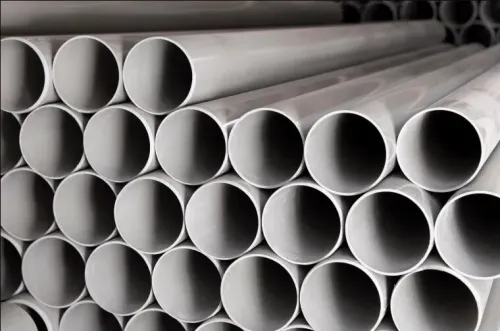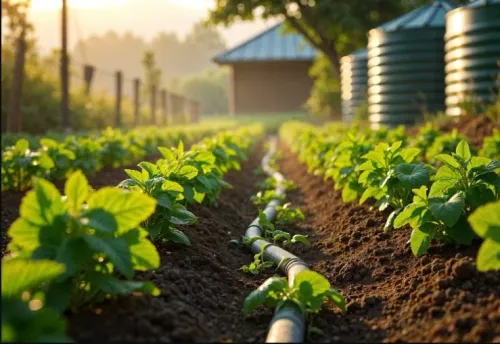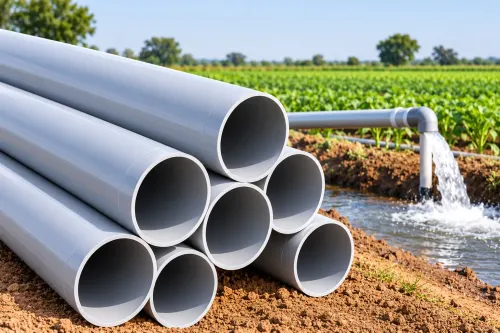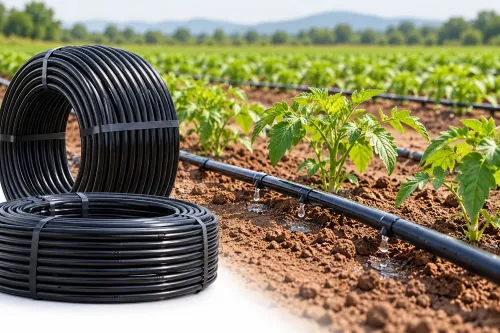
Selecting an Irrigation PVC Pipe Nagpur farmers and irrigation contractors can use effectively starts with understanding how water must move across the property. Pipe diameter, route length, pump configuration, field layout, and operating conditions can all influence the final choice.
Agricultural buyers should therefore plan the irrigation network before purchasing pipes in bulk.
Map the Water Route
Identify where water originates and where it needs to reach. The source may be a borewell, storage tank, reservoir, or another supply point.
A simple field layout should show:
- Water source
- Main pipeline route
- Branch lines
- Approximate distances
- Changes in elevation
- Irrigation zones
- Connection points
This information helps determine the required pipe lengths and diameters more accurately.
Avoid Choosing Diameter by Guesswork
Pipe diameter influences how efficiently water travels through the irrigation network. Selecting a size merely because it was used on another farm may not produce the same results.
Different farms around Nagpur can have different pump capacities, field dimensions, crop layouts, and elevation conditions.
Where system performance is important, sizing should reflect the actual hydraulic requirement.
Understand Pressure Conditions
Some agricultural pipelines operate under pressure generated by pumping equipment. The pipe specification should therefore be compatible with the expected operating conditions.
Using a pipe without considering system pressure can create unnecessary reliability problems. Buyers should communicate their requirements clearly to the manufacturer or supplier.
Plan Fittings at the Same Time
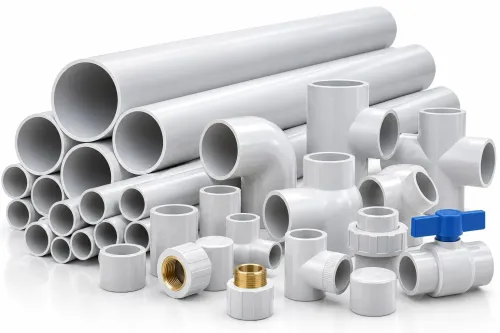
An irrigation pipeline rarely consists only of straight pipe lengths. Depending on the layout, the installation may require bends, tees, couplers, reducers, valves, and other connections.
Preparing a complete material list reduces last-minute purchasing and installation interruptions.
Think About Handling and Installation
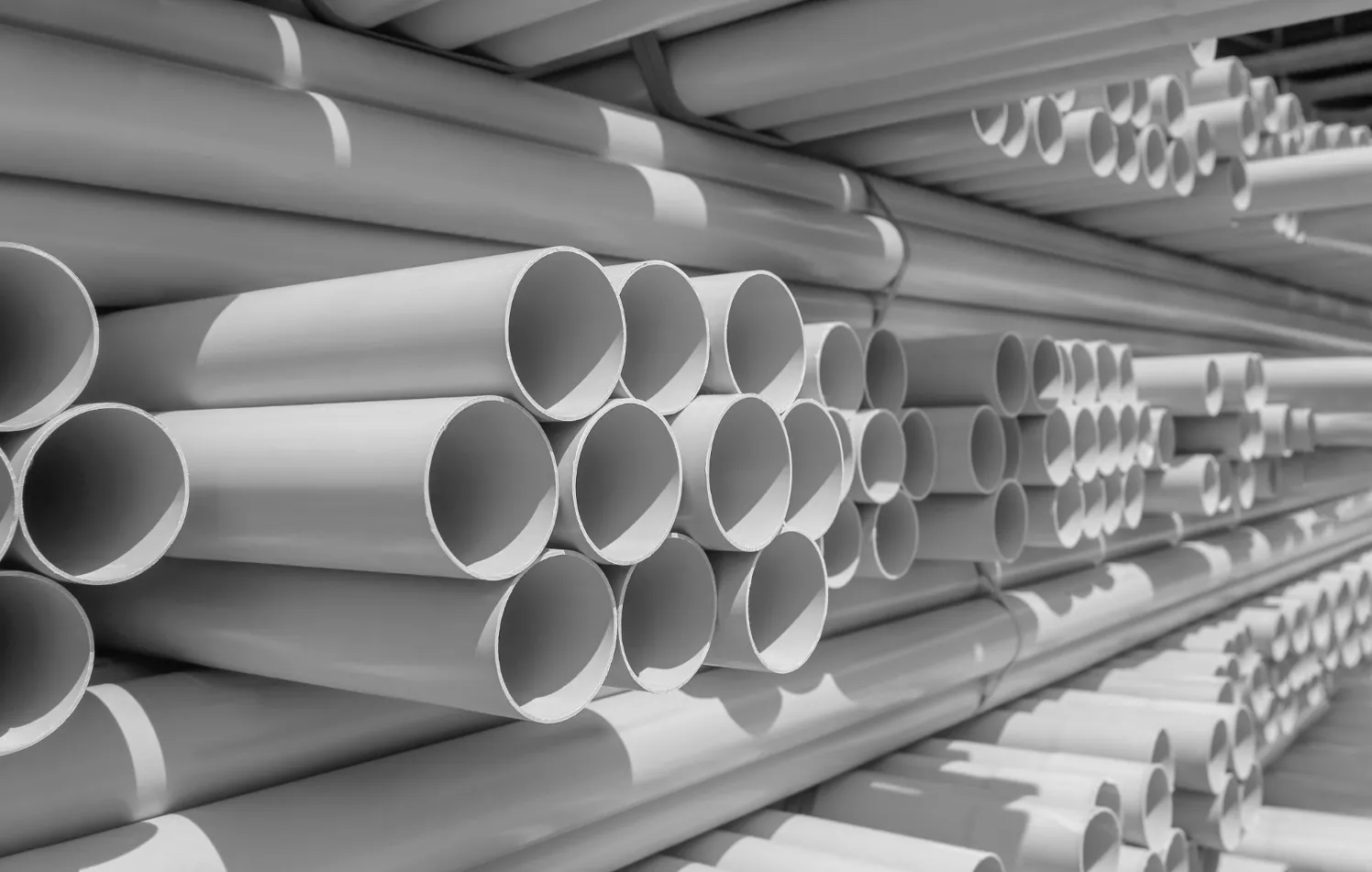
PVC pipes are relatively lightweight, which can be useful for agricultural installation. However, correct handling remains important.
Avoid unnecessary impact during unloading and storage. Prepare joints carefully, maintain appropriate pipeline alignment, and follow suitable installation practices for above-ground or buried sections.
Work With Application-Based Specifications
Geeta Plasticwood Industries serves agricultural and other piping requirements from Nagpur. When discussing an irrigation requirement, buyers can provide details such as field application, required sizes, approximate quantity, and project conditions.
For farms across Nagpur and the wider Maharashtra region, purchasing irrigation pipes based on system requirements rather than price alone can improve procurement decisions.
A well-planned irrigation pipeline begins before installation. Mapping the network, understanding pressure and flow needs, selecting appropriate pipe specifications, and preparing fittings together can make agricultural water distribution considerably easier to manage.
Keywords